



Genuine_artistry_within_luckystar_design_and_innovative_crafting_techniques_unlo
- Genuine artistry within luckystar design and innovative crafting techniques unlocks beauty
- The Influence of Celestial Motifs in Luckystar Creations
- The Technical Challenges of Representing Celestial Forms
- Color Palettes and Material Choices within the Luckystar Style
- The Growing Demand for Sustainable Materials
- The Role of Texture and Dimensionality in Luckystar Design
- The Influence of Japanese Aesthetic Principles
- Applications of the Luckystar Aesthetic – From Jewelry to Interior Design
- Expanding Horizons – The Future of Luckystar Inspired Design
Genuine artistry within luckystar design and innovative crafting techniques unlocks beauty
The allure of handcrafted items has seen a resurgence in recent years, a counterpoint to the mass-produced nature of modern life. Consumers are increasingly seeking pieces with a story, items imbued with the personality and skill of the maker. Within this trend, certain design aesthetics and crafting traditions stand out, capturing the attention of those who appreciate artistry and unique expression. The name luckystar is now becoming synonymous with a particular approach to design, one that blends meticulous detail with a modern sensibility. It represents a commitment to quality and a celebration of the human touch in a world often dominated by automation.
This fascination isn’t simply about acquiring possessions; it’s about connecting with something authentic and meaningful. Handmade objects often carry echoes of the creative process, a sense of the time and care invested in their creation. This resonates with individuals seeking to curate a more intentional and personalized lifestyle. The rising popularity of platforms showcasing independent artists and craftspeople further fuels this movement, making it easier than ever to discover and support unique creations. The appreciation for these skills is a reaction to the perceived shortcomings of purely functional, impersonal goods. This is where the designs inspired by luckystar come into play.
The Influence of Celestial Motifs in Luckystar Creations
A defining characteristic of the luckystar aesthetic is its frequent incorporation of celestial imagery. Stars, moons, and constellations are recurring motifs, often rendered with intricate detail and a delicate touch. This isn’t merely a stylistic choice; it speaks to a deeper fascination with the cosmos and a sense of wonder at the vastness of the universe. The symbolism inherent in these celestial elements – hope, guidance, dreams – adds another layer of meaning to the creations, resonating with those who seek inspiration and positivity in their surroundings. The use of metallic finishes, particularly gold and silver, further enhances the ethereal quality often associated with the night sky. Designers draw inspiration from both historical astronomical charts and contemporary interpretations of space exploration.
The Technical Challenges of Representing Celestial Forms
Translating the intricate details of celestial bodies into tangible form presents unique technical challenges for craftspeople. Whether working with metal, textiles, or ceramics, capturing the luminosity and texture of stars and nebulas requires a mastery of materials and a keen eye for detail. Techniques such as filigree, enameling, and delicate embroidery are often employed to achieve the desired effect. The manipulation of light and shadow is also crucial, as is the ability to create a sense of depth and dimension within the confines of a two- or three-dimensional medium. Digital design tools have aided in precision, but it is the refined hand of the craftsperson which brings the vision to life.
| Material | Technique | Common Celestial Motif | Typical Finishes |
|---|---|---|---|
| Silver | Filigree, Repoussé | Stars, Constellations | Polished, Oxidized |
| Ceramics | Hand-painting, Glazing | Moons, Planets | Matte, Glossy, Iridescent |
| Textiles | Embroidery, Appliqué | Star Clusters, Nebulae | Silk, Cotton, Metallic Threads |
| Wood | Carving, Inlay | Lunar Phases | Varnished, Painted |
The table above provides a glimpse into the common materials and techniques used in creating items reflective of the luckystar design sensibility. Successful implementation hinges on thoughtful material selection and skilled execution.
Color Palettes and Material Choices within the Luckystar Style
The color palettes associated with the luckystar design aesthetic typically favor muted tones and subtle gradients. Soft blues, deep purples, and shimmering golds are commonly used to evoke the feeling of a twilight sky. These colors are often paired with neutral shades, such as ivory, gray, and charcoal, to create a sense of balance and sophistication. Material choices also play a crucial role in conveying the desired aesthetic. Natural materials, such as silk, linen, and wood, are frequently favored for their tactile qualities and inherent beauty. The incorporation of semi-precious stones, like amethyst and labradorite, further enhances the sense of luxury and artistry. The overall effect is one of understated elegance and refined simplicity.
The Growing Demand for Sustainable Materials
Increasingly, designers and consumers are prioritizing sustainability in their material choices. This trend is reflected in the growing demand for ethically sourced materials and eco-friendly production processes. Many artists working within the luckystar aesthetic are now exploring the use of recycled metals, organic fabrics, and plant-based dyes. This commitment to sustainability not only reduces the environmental impact of their creations but also aligns with the values of consumers who are seeking to make more responsible purchasing decisions. Using reclaimed materials adds an extra layer of narrative and character to the final products, emphasizing the value of resourcefulness and creativity.
- Prioritizing minimal waste during the crafting process.
- Sourcing materials locally to reduce carbon footprint.
- Utilizing natural, biodegradable components whenever feasible.
- Employing eco-friendly packaging solutions.
- Supporting fair labor practices throughout the supply chain.
These are just some of the ways that the luckystar design community is embracing sustainability.
The Role of Texture and Dimensionality in Luckystar Design
Beyond color and materials, texture and dimensionality are vital components of the luckystar style. Designers often employ techniques that create a sense of tactile richness and visual depth. This might involve layering different materials, incorporating intricate surface patterns, or adding three-dimensional elements to otherwise flat surfaces. The intention is to engage the senses and invite viewers to interact with the artwork on a more intimate level. Techniques like embossing, quilting, and the application of textured pastes can achieve captivating results. The interplay of light and shadow across these textured surfaces adds further complexity and nuance to the design. The goal is to create pieces that are not just visually appealing but also physically engaging.
The Influence of Japanese Aesthetic Principles
The emphasis on texture and dimensionality in luckystar design can be attributed, in part, to the influence of Japanese aesthetic principles, particularly wabi-sabi. This philosophy celebrates the beauty of imperfection, impermanence, and simplicity. Rough textures, irregular shapes, and the visible marks of the maker's hand are all seen as contributing to the unique character of an object. This contrasts with the Western emphasis on flawless execution and mass-produced perfection. The appreciation for natural materials, such as wood and paper, is also rooted in Japanese tradition. By embracing these principles, designers can create pieces that are both aesthetically pleasing and imbued with a sense of authenticity and depth.
- Embrace imperfection as a source of beauty.
- Value the natural texture and character of materials.
- Prioritize simplicity and functionality.
- Focus on creating a sense of tranquility and harmony.
- Appreciate the passage of time and the signs of wear.
Adhering to these principles can elevate the luckystar aesthetic to something more profound.
Applications of the Luckystar Aesthetic – From Jewelry to Interior Design
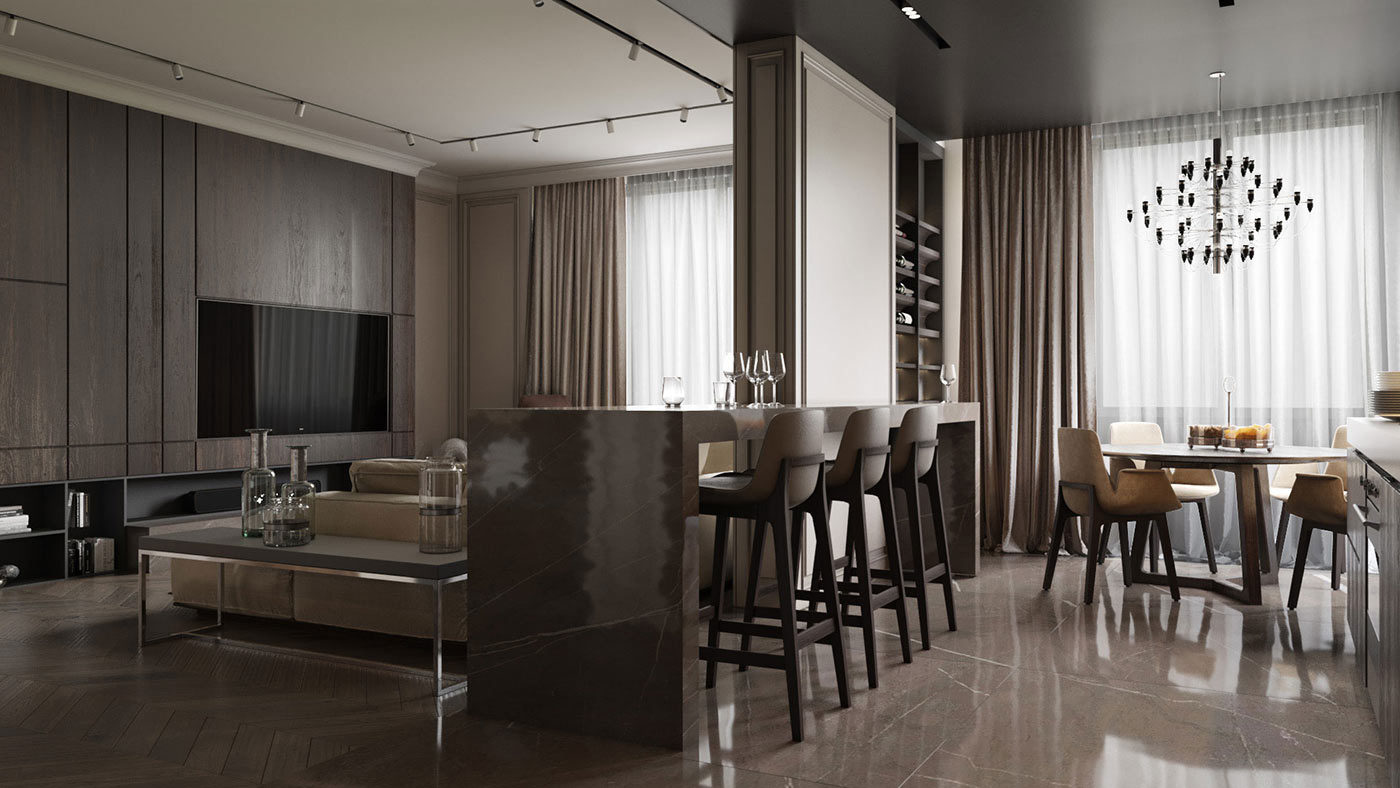
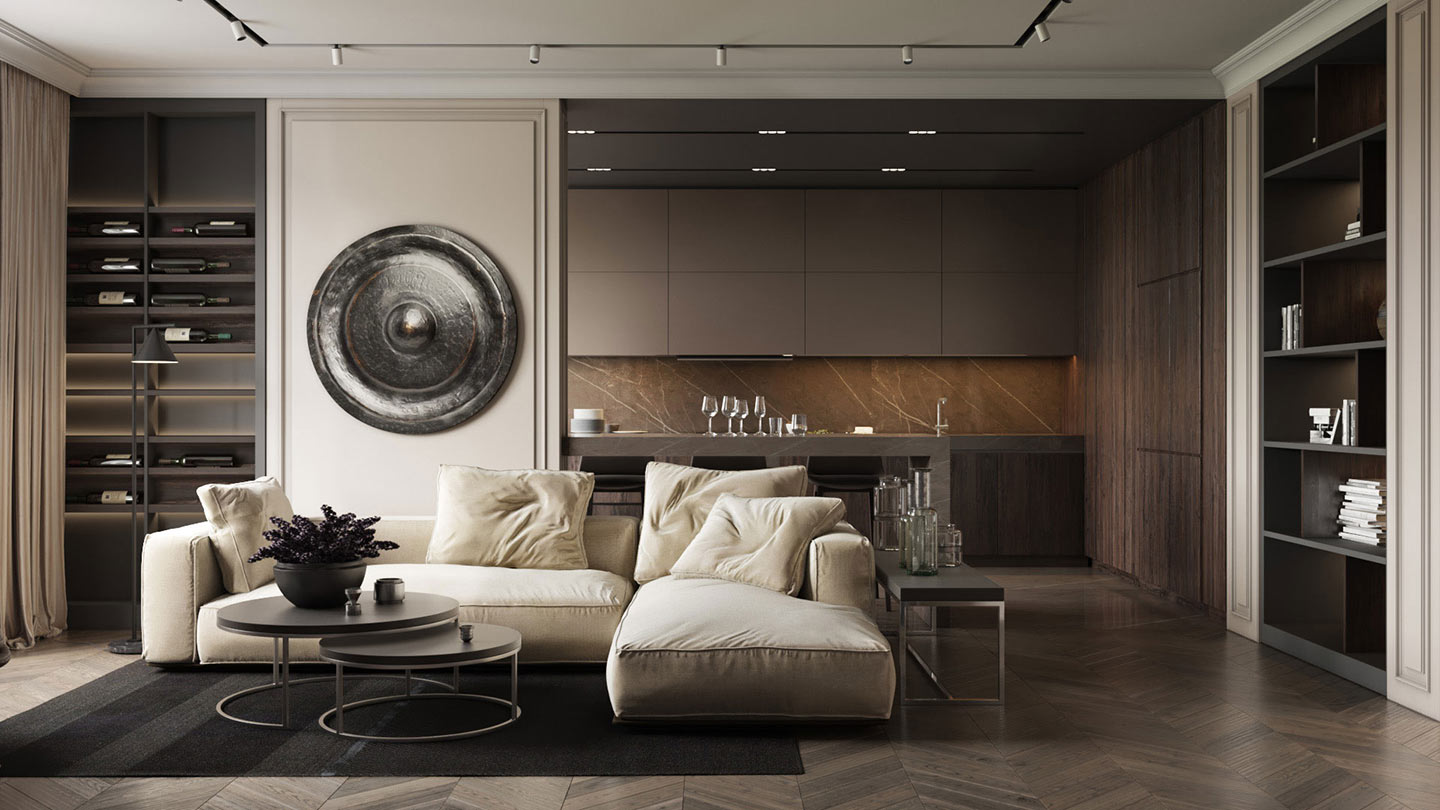
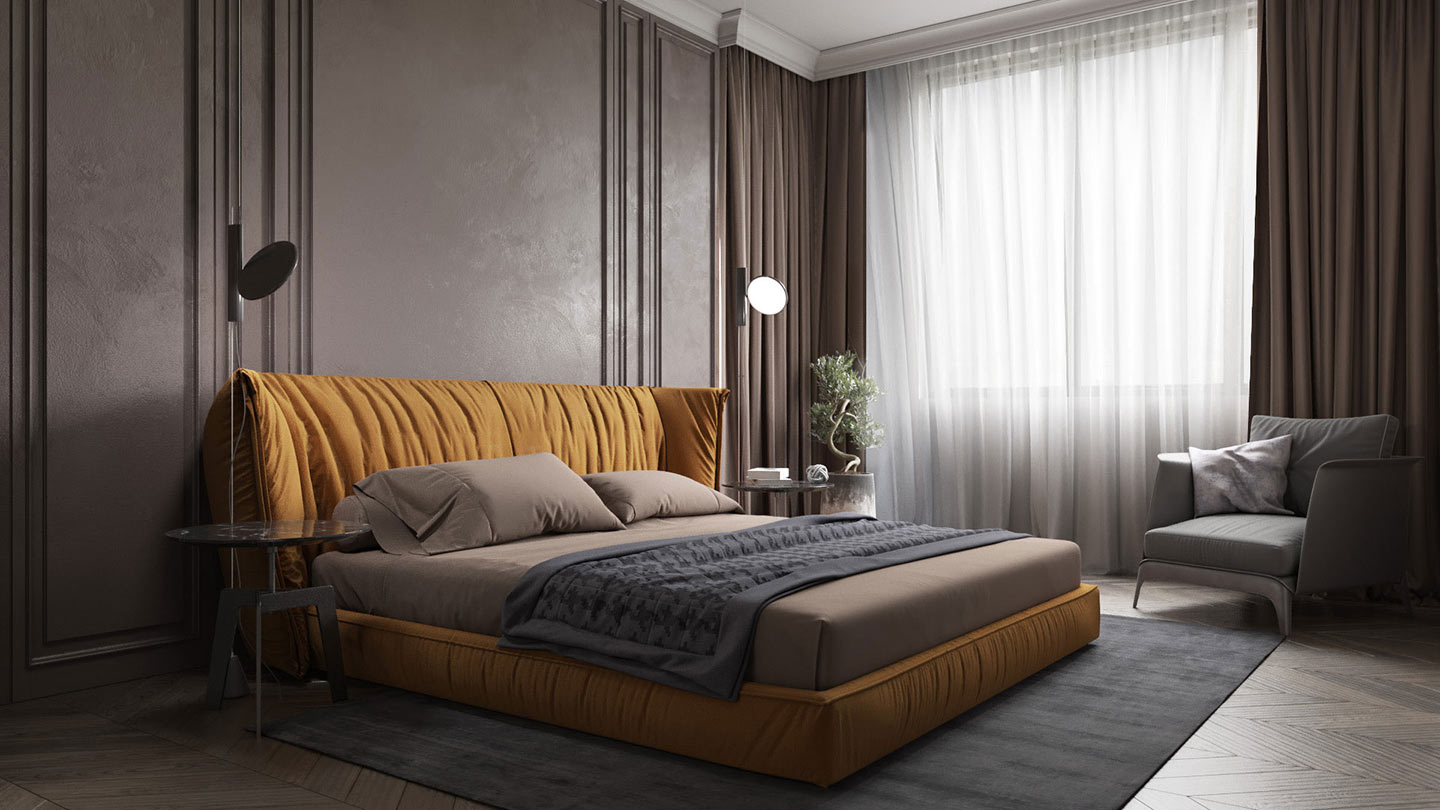
The versatility of the luckystar design aesthetic allows it to be applied across a wide range of disciplines. In jewelry, it manifests as delicate necklaces featuring star-shaped pendants, intricate earrings with celestial motifs, and rings adorned with shimmering gemstones. In interior design, it can be seen in the use of soft lighting, textured fabrics, and artwork inspired by the night sky. Wallpapers with star patterns, iridescent paint finishes, and furniture with celestial-inspired details all contribute to the creation of a dreamy and inviting atmosphere. The aesthetic also extends to fashion, with designers incorporating celestial imagery into clothing, accessories, and footwear. The key is to maintain a sense of subtlety and sophistication, avoiding anything that feels overly flashy or contrived.
This influence is also apparent in graphic design, with the aesthetic often employed in branding, packaging, and website design. The use of soft color palettes, elegant typography, and celestial imagery can evoke a sense of luxury and refinement. This holistic application across various creative fields demonstrates the enduring appeal and adaptability of the luckystar aesthetic.
Expanding Horizons – The Future of Luckystar Inspired Design
Looking ahead, the potential for innovation within the luckystar design aesthetic remains vast. New technologies, such as 3D printing and laser cutting, offer exciting opportunities to create even more intricate and complex forms. The increasing availability of sustainable materials will further empower designers to create eco-conscious creations. Furthermore, the growing interest in customization and personalization is likely to drive demand for bespoke pieces that reflect individual tastes and preferences. We might see collaborations between artists and technologists, resulting in interactive installations that respond to environmental stimuli or feature dynamic lighting effects. The fusion of traditional craftsmanship with cutting-edge technology promises to unlock new possibilities and push the boundaries of the aesthetic.
Ultimately, the enduring appeal of the luckystar aesthetic lies in its ability to tap into our universal fascination with the cosmos and our innate desire for beauty, meaning and connection. It’s a testament to the power of artistry to transform everyday objects into sources of inspiration and wonder. The future will undoubtedly bring new interpretations and evolutions of this captivating style, cementing its place as a significant force in the world of design.