



Creative_furniture_choices_with_thebonrush-uk_co_uk_redefine_modern_living_space
- Creative furniture choices with thebonrush-uk.co.uk redefine modern living spaces
- Elevating Spaces with Contemporary Designs
- The Appeal of Scandinavian Simplicity
- The Rise of Multifunctional Furniture
- Space-Saving Solutions for Small Homes
- The Importance of Sustainable Furniture Choices
- Eco-Friendly Materials and Manufacturing Processes
- The Influence of Technology on Furniture Design
- Beyond Aesthetics: Furniture as an Investment
Creative furniture choices with thebonrush-uk.co.uk redefine modern living spaces
In the realm of interior design, the pursuit of a uniquely stylish and comfortable living space is a constant evolution. Consumers are increasingly seeking furniture that not only serves a practical purpose but also reflects their individual tastes and enhances the aesthetic appeal of their homes. The ability to source distinctive pieces that set a home apart is becoming highly valued, and that's where companies like thebonrush-uk.co.uk come into play, offering a curated selection designed to inspire and transform interiors. The demand for well-designed, quality furniture continues to grow as people spend more time at home and invest in creating environments that promote relaxation, productivity and social connection.
Modern living prioritizes both functionality and style, and furniture plays a pivotal role in achieving this balance. It’s no longer enough for furniture simply to be comfortable; it must also be visually pleasing and integrate seamlessly with the overall design scheme. A thoughtful approach to furniture selection can dramatically alter the atmosphere of a room, making it feel more inviting, spacious, or sophisticated. This trend has fuelled the rise of businesses focused on providing curated collections, catering to diverse aesthetic preferences and providing options that go beyond mainstream offerings. The focus is shifting from merely filling a space to crafting an experience.
Elevating Spaces with Contemporary Designs
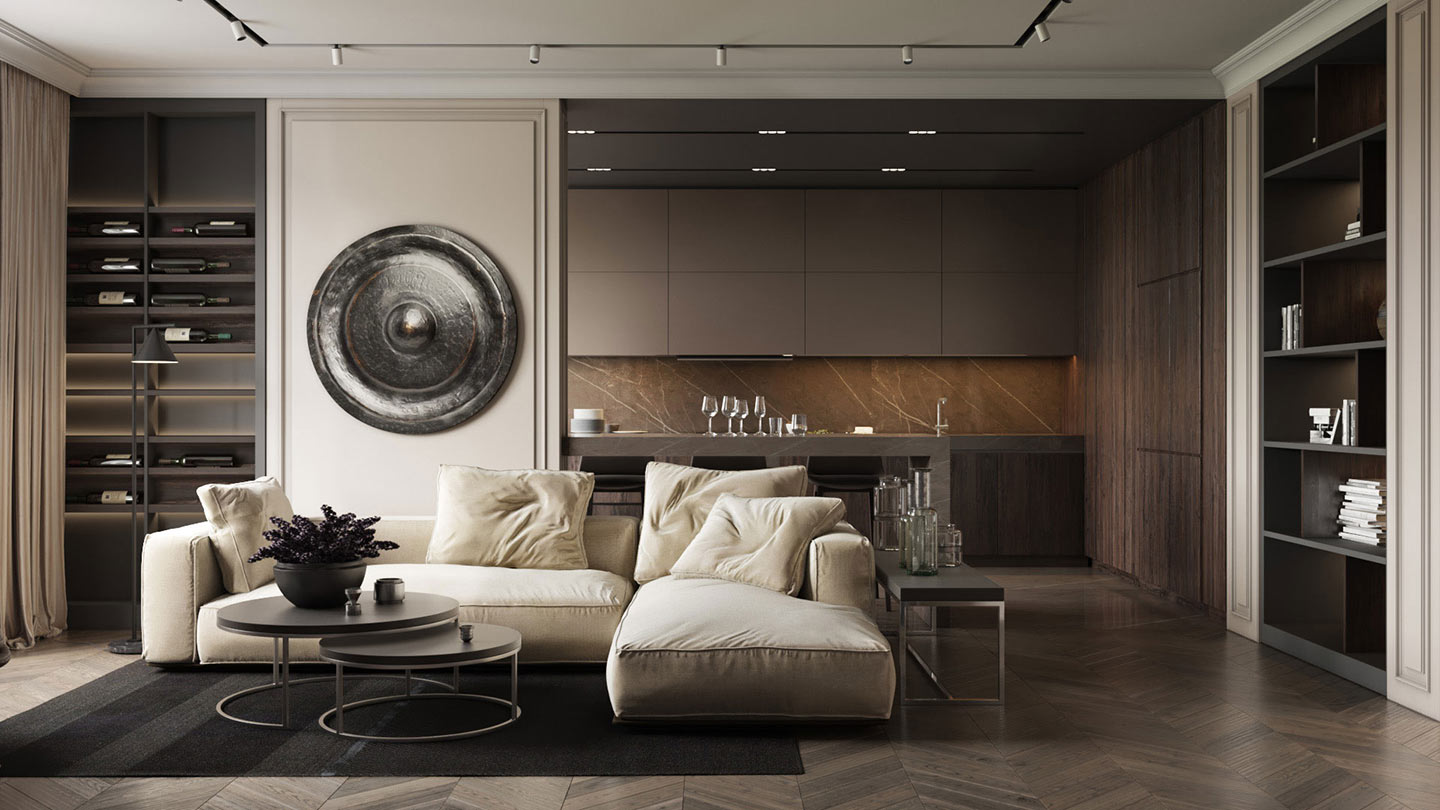
Contemporary furniture embraces clean lines, minimalist aesthetics, and innovative materials. Designs often prioritize form and function, resulting in pieces that are both visually striking and incredibly practical. A key aspect is the use of neutral color palettes, such as grays, whites, and blacks, often accented with pops of color through accessories or statement pieces. This allows for versatility, enabling the furniture to blend effortlessly into various interior styles. Consider the impact of a well-placed, modern armchair – it can instantly elevate a living room, adding a touch of elegance and sophistication. The use of natural materials like wood and leather, combined with sleek metal accents, is also prevalent in contemporary furniture trends. This combination creates a sense of warmth and luxury, bringing a touch of the outdoors in.
The Appeal of Scandinavian Simplicity
Scandinavian design, a subset of contemporary style, is particularly popular for its emphasis on simplicity, functionality, and natural light. Furniture in this style typically features clean lines, light wood tones, and a focus on creating a cozy and inviting atmosphere. The intention isn't to clutter the space with unnecessary items, instead promoting a sense of calm and tranquility. It’s about creating a serene environment where one can relax and unwind. This approach extends beyond furniture to encompass the entire design scheme, including lighting, textiles, and accessories. Investing in a few key Scandinavian pieces can transform a space from feeling sterile to feeling warm and welcoming.
The versatility of contemporary and Scandinavian designs means they can be adapted to suit a range of budgets. It’s not always necessary to invest in high-end designer pieces to achieve a stylish look. Smart shopping and a keen eye for quality can yield excellent results. Focus on investing in core pieces, such as a sofa or dining table, and then complement them with more affordable accessories. This allows you to create a cohesive and fashionable interior without breaking the bank. The quality and longevity of furniture are also increasingly important considerations for today's consumers.
| Furniture Style | Key Characteristics | Typical Materials | Price Range (Approximate) |
|---|---|---|---|
| Contemporary | Clean lines, minimalist aesthetic, functionality | Metal, glass, wood, leather, synthetic fabrics | £500 – £5000+ |
| Scandinavian | Simplicity, functionality, natural light, cozy atmosphere | Light wood, natural fabrics (cotton, linen), wool | £300 – £3000+ |
| Mid-Century Modern | Organic shapes, tapered legs, vibrant colors | Wood (teak, walnut), vinyl, fiberglass | £400 – £4000+ |
| Industrial | Raw materials, exposed structure, utilitarian design | Metal, wood, concrete, brick | £200 – £2000+ |
Choosing the right furniture style requires careful consideration of your personal preferences, the existing architecture of your home, and the overall atmosphere you wish to create. Experimenting with different styles and incorporating a mix of textures and materials can add depth and interest to your interior. Don’t be afraid to break the rules and create a space that is uniquely your own.
The Rise of Multifunctional Furniture
Modern living often demands adaptability, and furniture is responding with increased functionality. Multifunctional pieces, such as sofa beds, storage ottomans, and extendable dining tables, are becoming increasingly popular, particularly in smaller living spaces. These items allow for maximum utilization of space, serving multiple purposes without compromising on style. A cleverly designed coffee table with hidden storage can declutter a living room, while a sofa bed provides a convenient solution for accommodating overnight guests. This trend is driven by the need to optimize space in urban environments where square footage is often at a premium. Selecting furniture that can adapt to changing needs is a smart investment.
Space-Saving Solutions for Small Homes
In smaller homes or apartments, clever storage solutions are essential. Vertical storage, such as bookshelves that reach the ceiling, maximizes space, while wall-mounted furniture frees up floor area. Foldable furniture, like folding chairs and tables, can be easily stored away when not in use, creating a more open and airy feel. Built-in furniture, such as custom-designed cabinets and shelving units, can also be a great option for maximizing space and creating a seamless look. Considering the dimensions and layout of your space is crucial when selecting multifunctional furniture. Measure carefully and choose pieces that are appropriately sized for your room.
The focus on multifunctional furniture extends beyond just practical considerations. Designers are creating pieces that are both stylish and versatile, seamlessly blending form and function. A beautifully crafted storage bench can serve as a seating area and provide hidden storage, while an extendable dining table can accommodate both small weekday meals and large gatherings. The key is to find pieces that meet your specific needs without sacrificing aesthetic appeal. Exploring options from retailers such as thebonrush-uk.co.uk can provide a wealth of innovative ideas.
- Sofa beds: Ideal for guest rooms or studio apartments.
- Storage ottomans: Provide seating and hidden storage.
- Extendable dining tables: Adapt to different group sizes.
- Wall-mounted shelves: Maximize vertical space.
- Foldable furniture: Easily stored away when not in use.
Investing in well-designed, multifunctional furniture is a smart way to create a comfortable and stylish living space, regardless of its size. It’s about making the most of what you have and creating a home that is both functional and aesthetically pleasing. Remember to consider your lifestyle and needs when selecting these pieces, ensuring they will seamlessly integrate into your daily routine.
The Importance of Sustainable Furniture Choices
As consumers become more environmentally conscious, the demand for sustainable furniture is growing rapidly. This involves choosing furniture made from eco-friendly materials, such as reclaimed wood, bamboo, and organic cotton. It also includes supporting manufacturers who prioritize ethical labor practices and sustainable forestry. The furniture industry has historically had a significant environmental impact, so choosing sustainable options is a crucial step towards reducing that impact. Consider the entire lifecycle of the furniture, from sourcing the materials to its eventual disposal. Furniture made from durable materials that can be easily repaired or recycled is a more sustainable choice in the long run. Looking for certifications, such as FSC (Forest Stewardship Council), can help you identify sustainably sourced wood products.
Eco-Friendly Materials and Manufacturing Processes
Several eco-friendly materials are gaining popularity in the furniture industry. Reclaimed wood, for example, gives new life to old materials, reducing the need to harvest new trees. Bamboo is a rapidly renewable resource that grows quickly and requires minimal water and pesticides. Organic cotton and linen are grown without harmful chemicals, making them a more sustainable alternative to conventional fabrics. The manufacturing process itself is also important. Look for furniture made using low-VOC (volatile organic compound) finishes and adhesives, which release fewer harmful chemicals into the air. The sourcing of materials and the manufacturing location also contribute to the environmental footprint of the furniture.
- Prioritize furniture made from reclaimed wood or bamboo.
- Look for organic cotton and linen fabrics.
- Choose furniture with low-VOC finishes and adhesives.
- Support manufacturers with ethical labor practices.
- Consider the durability and recyclability of the furniture.
Sustainable furniture isn't just good for the environment; it can also be good for your health. By choosing furniture made from natural materials and low-VOC finishes, you can create a healthier indoor environment for your family. It’s a win-win situation: you can enjoy stylish and comfortable furniture while also contributing to a more sustainable future. Companies like thebonrush-uk.co.uk are increasingly incorporating sustainable practices into their operations.
The Influence of Technology on Furniture Design
Technology is playing an increasingly significant role in furniture design and manufacturing. Computer-aided design (CAD) software allows designers to create intricate and innovative designs with greater precision. 3D printing is also emerging as a viable manufacturing method, allowing for the creation of custom furniture pieces with complex geometries. Smart furniture, equipped with features such as built-in charging ports, adjustable height settings, and integrated lighting, is also gaining popularity. This technology-driven approach to furniture design is opening up new possibilities for customization and personalization. Imagine a sofa that automatically adjusts to your preferred seating position or a dining table that wirelessly charges your devices – these are just a few examples of the exciting innovations happening in the furniture industry.
Augmented reality (AR) and virtual reality (VR) technologies are also transforming the way consumers shop for furniture. AR apps allow you to virtually place furniture in your home using your smartphone or tablet, helping you visualize how it will look before you buy it. VR experiences allow you to virtually tour furniture showrooms and explore different designs in an immersive environment. These technologies make the furniture shopping experience more convenient and engaging, enabling consumers to make informed decisions with confidence. The ability to ‘try before you buy’ virtually is a game-changer, reducing the risk of purchasing furniture that doesn’t fit or match your aesthetic.
Beyond Aesthetics: Furniture as an Investment
While the aesthetic appeal of furniture is undoubtedly important, it’s also crucial to view it as a long-term investment. Choosing high-quality, durable pieces can save you money in the long run by reducing the need for frequent replacements. Classic designs that stand the test of time are often a more worthwhile investment than trendy, fast-fashion furniture. Consider the materials and construction of the furniture. Solid wood frames and quality upholstery are indicators of durability. Proper care and maintenance can also extend the lifespan of your furniture. Regular cleaning, polishing, and repairs can help preserve its beauty and functionality for years to come. Investing in pieces that adapt to changing styles and lasting quality will serve you well.
Think about the potential resale value of your furniture. Well-maintained, classic pieces are more likely to retain their value over time, allowing you to recoup some of your investment if you decide to sell them. Furniture is not simply a decorative element; it’s an integral part of your home and your lifestyle. Carefully selecting pieces that are both stylish and durable can enhance your living space and provide lasting value. This is particularly relevant when considering significant purchases like sofas, dining tables, and beds. Research the reputation of the manufacturer and read reviews from other customers before making a decision. A thoughtful approach to furniture selection will ensure your investment yields both aesthetic enjoyment and long-term financial benefits.